What are brand guidelines?
Definition, essential elements and method: everything you need for a consistent visual identity across every channel.
Brand guidelines are the document that sets the rules for using a brand’s visual identity: logo, colours, typefaces, imagery and layouts. They make sure your brand stays recognisable everywhere, whoever is using it.
Brand guidelines: the definition
Brand guidelines — also called a brand book, style guide or visual identity charter — gather all of a brand’s graphic elements and, above all, how to use them. They answer a simple question: how do you make sure the brand looks the same on a website, a brochure, an Instagram post or a shop sign?
They should not be confused with two related ideas:
- The logo, which is only one part of the visual identity — the most visible, but not the only one.
- The brand platform, which defines the substance: mission, values, promise, personality. Brand guidelines are its visual translation.
What do brand guidelines contain?
The contents vary with the size of the brand and the number of channels, but complete guidelines usually include the following.
The logo and its variations
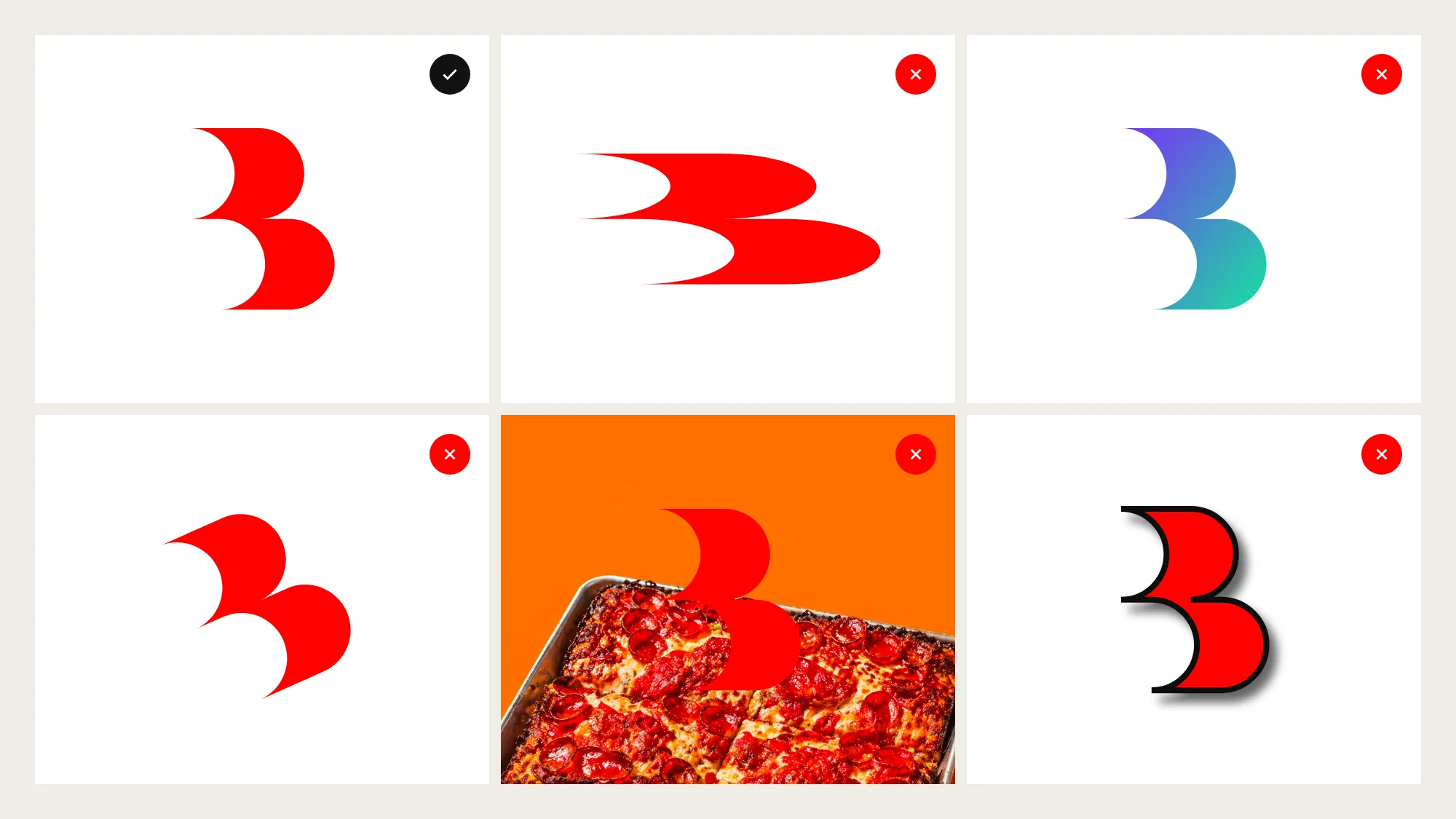
Primary version, horizontal and vertical versions, monochrome, small sizes (favicon, avatar). The guidelines specify the clear space around the logo, its minimum size and forbidden uses: distortion, colour changes, drop shadows, busy backgrounds.
The colour palette
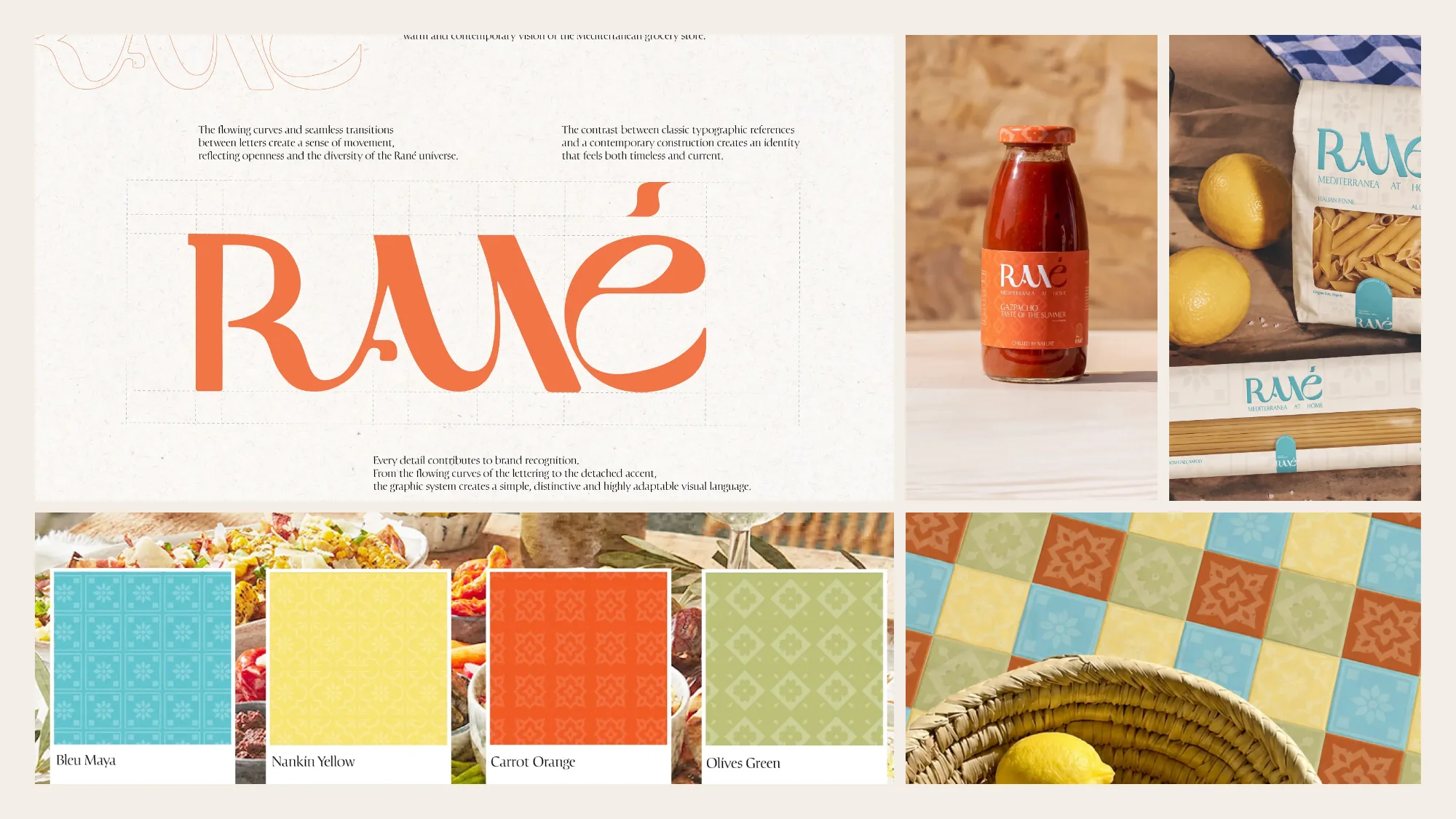
Primary and secondary colours, with their references for each use: CMYK and Pantone for print, RGB and hex for screens. Good guidelines also state proportions (which colour dominates) and combinations to avoid, especially for accessibility and legibility.
Typefaces
Fonts for headings and body text, allowed weights, hierarchy (sizes, line spacing) and fallback fonts for office tools. Check the licences while you are at it: a font used on a website or an app often requires a specific licence.
Graphic elements and imagery
Patterns, shapes, pictograms, illustration style, photography direction (framing, light, subjects). These elements, more than the logo, often make a brand recognisable at a glance. On our Greedy Square project, for example, the square shapes and highly textured photography are the real signature.
Applications
Concrete examples on key materials: stationery, presentations, social media, website, signage, packaging. This is the most useful part day to day, because it shows the guidelines in action.
Why brand guidelines matter
Brand recognition relies on the repetition of consistent signs. Every time a material strays from the rules — a stretched logo, an approximate colour, a different font — the brand loses clarity and credibility. Brand guidelines help you:
- stay consistent across every touchpoint, online and offline;
- save time: your teams and suppliers no longer improvise or ask for the files again;
- look more professional, which directly affects trust and perceived value;
- prepare for growth: new materials, new markets, new team members, without losing the spirit of the brand.
How to create brand guidelines in 5 steps
- Clarify the positioning. Before drawing anything, you need to know what the brand must express, to whom and against which competitors. That is the job of brand strategy: market analysis, interviews, surveys.
- Explore creative routes. Several visual territories are proposed and assessed against the positioning, not just personal taste.
- Build the system. The chosen route is refined: logo and variations, palette, typefaces, graphic elements.
- Test it in context. The system is applied to real materials (website, social media, sales documents) to check its legibility and flexibility.
- Write and deliver the guidelines. A clear, illustrated document, delivered with organised, properly named source files.
For a complete visual identity, allow four to eight weeks depending on the scope.
The most common mistakes
- Guidelines that are too rigid, with no room for new formats (stories, vertical video, app screens), so people end up working around them.
- Guidelines that are too vague, with colours lacking precise references or rules left open to interpretation.
- Forgetting everyday tools: PowerPoint or Google Slides templates, email signatures, social media templates.
- No one in charge: without someone to approve usage, even the best guidelines get diluted.
Keeping your brand guidelines alive
Brand guidelines are not a frozen document. They need to be shared, easy to access — a light PDF or an online page — and updated as the brand evolves. Schedule a regular review to add new materials and correct any drift.
Want to see an identity applied to real materials? Explore our branding projects, such as the identity of FKW Consulting or Le Flambeau.
A concrete example: FKW Consulting’s guidelines
For the consulting firm FKW Consulting, the brand guidelines had to serve very varied documents: dense sales proposals, presentations shown to executive committees, stationery and advertising. They define a monogram and its variations, a green pairing with print and screen references, a typeface chosen for legibility in long documents, and layout rules for presentations. The result: every consultant can produce a consistent document without going back to a designer.
This example highlights an often-forgotten point: brand guidelines are first and foremost a working tool. They must be designed for the people who use them every day, not just to look good on the day they are presented.
Checklist: are your brand guidelines complete?
Go through these points. If several are missing, your guidelines need completing.
- The logo exists in colour, monochrome and small versions, with defined clear space.
- Each colour has its CMYK, Pantone, RGB and hex references.
- Colour combinations have enough contrast for reading and accessibility.
- Fonts are identified, with fallback fonts for office tools, and their licences cover the web.
- Photography style and pictograms are described with examples.
- Application examples exist for your key materials (website, social media, presentations).
- Ready-to-use templates are provided to your teams.
- Someone is responsible for enforcing and updating the guidelines.
Frequently asked questions about brand guidelines
How long does it take to create brand guidelines?
For a complete visual identity with its guidelines, allow four to eight weeks. If the identity already exists and you only need to formalise the rules, a few weeks are enough.
Do brand guidelines have to be a PDF?
Not necessarily. A PDF is easy to share, but an online page is easier to keep up to date and consult. What matters is that everyone producing materials for the brand can access it.
Should I redo my guidelines when I rebuild my website?
Not necessarily. A new website is often a chance to extend the guidelines (interface colours, button states, motion) without questioning the identity. Our visual identity and brand guidelines page explains how we work.
Need brand guidelines?
Brand It designs complete visual identities, from strategy to guidelines. Let’s talk about your project: contact@groupebrandit.com